

Choosing the right development environment in 2026 is the most critical decision for high-output solo developers. The debate between claude code vs cursor is no longer just about basic code completion; it represents a major philosophical split between terminal-native AI reasoning agents and visual, IDE-integrated code editors.
This comparative guide evaluates the speed, codebase indexing, terminal tool access, and pricing of both platforms to help you choose the ultimate coding setup.
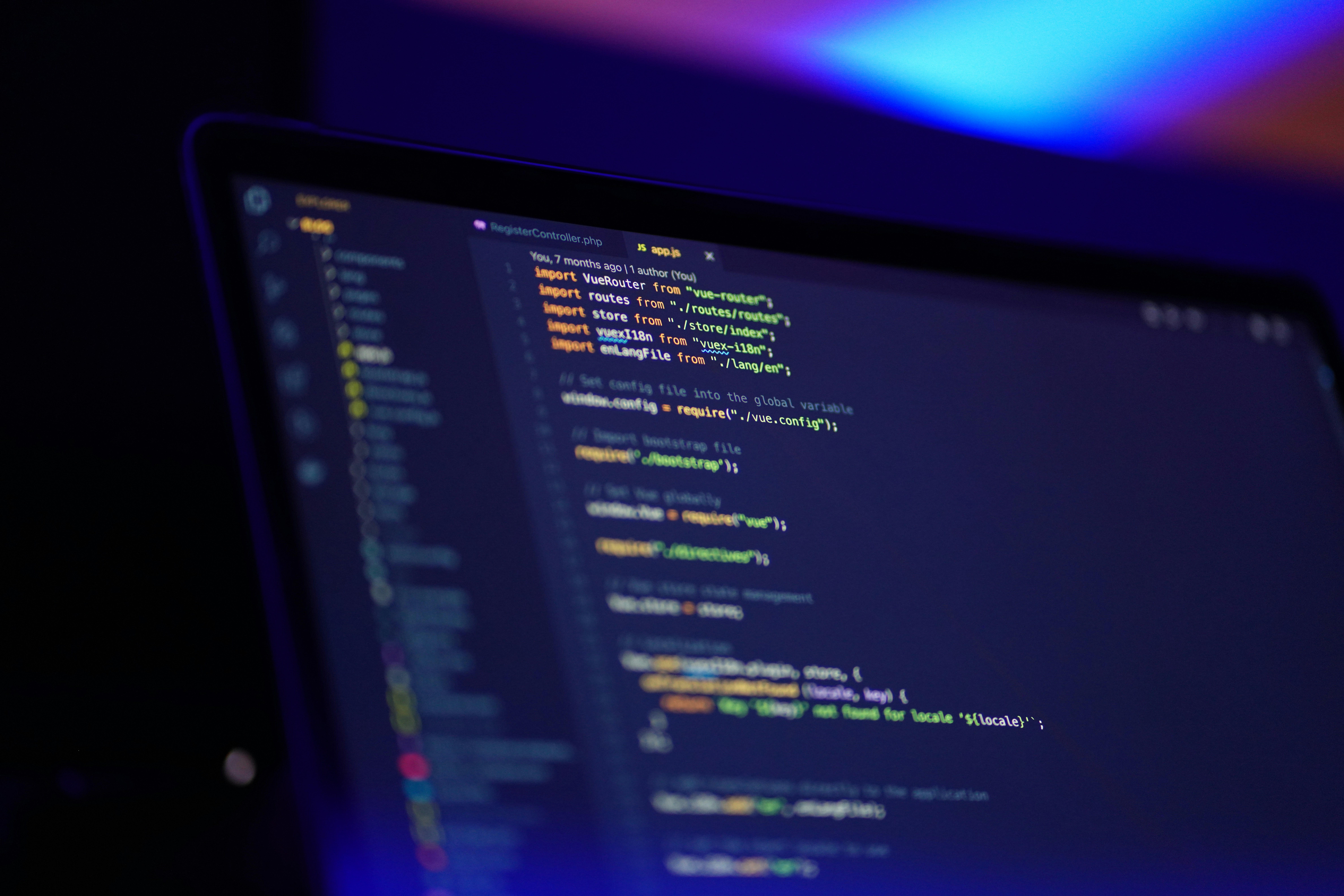
The Core Difference: IDE vs. Terminal Agent
While both tools are powered by Anthropic's flagship model stack, their visual environments and execution mechanics are completely different:
- Cursor: A native IDE built on a deep fork of VS Code.[1] It features the famous "Composer" mode (Cmd+I) to refactor multiple files simultaneously while letting you review side-by-side git diffs before approving changes.
- Claude Code: An official terminal-native CLI agent developed by Anthropic. It runs directly in your command line, executes shell commands, reads the filesystem on demand, and writes code autonomously after proposing strict technical blueprints.
Feature and Capability Comparison
| SEO Feature | Cursor (Pro) | Claude Code (CLI) |
|---|---|---|
| Visual UI & Preview | Full visual editor, file trees, and built-in preview tabs. | Purely terminal-based text output. |
| Context Window | 120K to 200K tokens (with @mention folder options). | 1M+ tokens (extremely effective on massive codebases). |
| Autocomplete Model | S-Tier Cursor Tab (sub-200ms latency). | None. Built strictly for chat-driven agent tasks. |
For those looking for fully hands-off automation, you can check our companion guide detailing how to use no-code AI agent systems for operational scaling.
Conclusion: How to Build Your Stack
In 2026, you do not have to choose just one tool. The most productive developers run both in parallel: they use **Cursor** as their daily visual editor for autocomplete and inline UI refactors, and deploy **Claude Code** in the terminal to solve deep, complex architectural tasks that require codebase-wide reasoning.